Maximize Small Payments Using a UPI Offer Strategy
Digital payments have changed how people handle everyday expenses, especially small-value transactions. From groceries to local services, quick payments through a upi app have become part of daily life. Along with convenience, users are now actively looking for ways to reduce spending through a well-planned upi offer approach. When used thoughtfully, these offers can support better money control without changing spending habits.
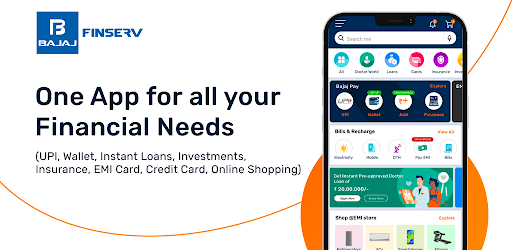
This article explains how small payments can be optimized using a structured upi offer strategy. It focuses on practical usage, planning, and long-term habits rather than short-term incentives. The aim is to help users understand how to make consistent savings while using a upi app for regular transactions.
Understanding Small Payments in Digital Transactions
Small payments are frequent and often overlooked. Individually, they may seem minor, but together they form a significant part of monthly expenses. Digital payment platforms have made these transactions faster, which increases usage but also raises the need for smarter spending control.
Why Small Payments Matter
Daily transactions such as transport fares, food items, and utility recharges add up over time. Monitoring these payments through a upi app allows users to track patterns and identify areas where a upi offer can reduce overall costs.
Digital Habits and Spending Awareness
Digital payments remove the physical feel of money, making it easier to spend without reflection. A planned upi offer strategy helps restore awareness by encouraging users to pause, compare, and choose better timing for transactions.
What Is a UPI Offer Strategy?
A upi offer strategy is not about chasing every available benefit. It is about understanding eligibility rules, transaction limits, and usage timing to gain consistent value.
Core Elements of a Smart Strategy
A successful approach focuses on:
- Regular transaction categories
- Offer validity periods
- Usage frequency limits
- Minimum and maximum payment conditions
By aligning these elements, users can make informed decisions rather than random usage.
Long-Term Value Over Short-Term Gains
Instead of one-time savings, a structured upi offer plan supports gradual cost reduction across weeks and months. This method works well for users who rely on a upi app for routine payments.
Planning Your Payments Effectively
Planning is essential to maximize benefits without unnecessary spending.
Categorizing Daily Expenses
Start by grouping expenses such as food, travel, and utilities. This helps in identifying which payments occur most often and where a upi offer can be applied naturally.
Scheduling Transactions
Some offers work best when transactions are spaced out. Avoid clustering payments just to qualify for benefits, as this may increase spending rather than reduce it.
Using a UPI App for Smarter Control
A upi app is more than a payment tool. It also acts as a financial activity log that supports better planning.
Tracking Payment History
Reviewing transaction history helps users:
- Identify repeated spending patterns
- Avoid duplicate payments
- Understand monthly expense flow
This awareness strengthens the effectiveness of any upi offer usage.
Setting Usage Limits
Many users overlook the importance of self-imposed limits. By setting daily or weekly caps, spending remains controlled even when offers are available.
Common Mistakes to Avoid
While offers can be useful, incorrect usage can reduce their value.
Overusing Offers Without Need
Making unnecessary payments just to use a upi offer leads to higher expenses. Offers should support existing needs, not create new ones.
Ignoring Terms and Conditions
Every offer has rules. Missing details like minimum payment value or usage limits often leads to disappointment and wasted effort.
Building Consistent Savings Through Habit
Savings from small transactions depend more on habit than opportunity.
Developing Payment Discipline
Use offers only for planned payments. This approach builds discipline and ensures that savings are real rather than assumed.
Reviewing Monthly Impact
At the end of each month, review how much was saved through a upi offer strategy. This reflection reinforces good habits and highlights areas for improvement.
The Role of Awareness in Digital Spending
Awareness is the key factor that separates smart users from frequent spenders.
Mindful Payment Decisions
Before every transaction, consider whether it aligns with a need or impulse. A upi app makes payment easy, but responsibility lies with the user.
Educating Yourself Regularly
Staying informed about how offers work helps users avoid confusion and misuse. Knowledge improves confidence and decision-making.
Adapting to Changing Offer Structures
Digital payment systems evolve frequently. Flexibility is essential.
Adjusting Usage Patterns
If an offer structure changes, adapt payment timing or categories instead of forcing usage. A flexible approach ensures continued benefit without stress.
Avoiding Dependency
Offers should support spending, not control it. Relying too heavily on a upi offer can disrupt budgeting when conditions change.
Conclusion: Making Small Payments Work in Your Favor
Small payments shape everyday financial life more than large, occasional expenses. When managed with care, they offer an opportunity for steady savings. A thoughtful upi offer strategy allows users to reduce costs without altering daily routines.
By using a upi app responsibly, tracking expenses, and applying offers only where they naturally fit, users can maintain control and consistency. The goal is not to chase every upi offer, but to use the right ones at the right time. Over time, this approach supports better spending habits, improved awareness, and meaningful financial balance.